OSTEOPATHY IN SPORTS RECOVERY
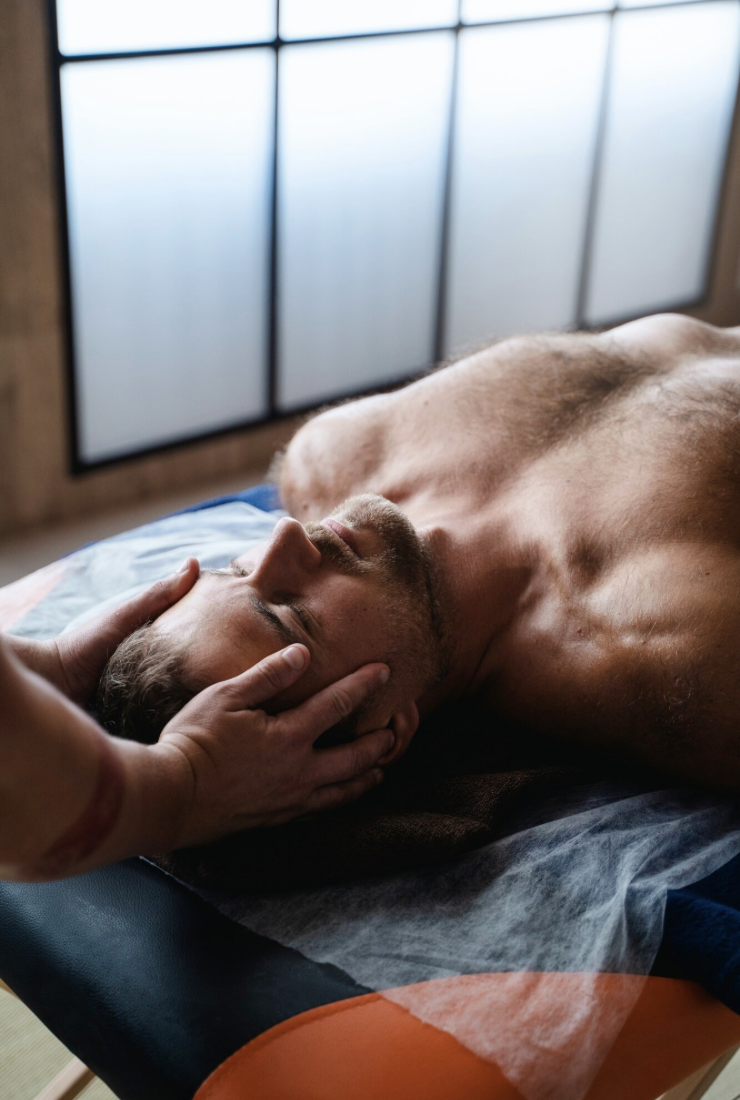
Recovery after intense physical exertion is a cornerstone of athletic performance. Beyond traditional approaches (stretching, hydration, nutrition), osteopathy acts as a complementary tool to accelerate recovery and reduce the risk of injury.
Why post-exercise recovery is essential
After training or competition, muscle tissue undergoes micro-trauma, joints and ligaments are subjected to stress, and the nervous system is engaged. Proper recovery allows energy reserves to be replenished, muscle fibers to be repaired, and the body's homeostasis to be restored. This is how the risk of injury is reduced and the body is prepared for subsequent exertion.
Osteopathy as a catalyst for recovery
Osteopathy, through targeted manual techniques, helps to correct imbalances, release tension, and optimize recovery processes:
Reduction of muscle and joint tension
The osteopath uses gentle mobilizations, passive stretches or fascial techniques to release tension points, restore fine mobility and reduce post-exercise stiffness.
Improved blood and lymphatic circulation
By stimulating the musculo-fascial structures and working on tissue gliding planes, osteopathy facilitates the supply of oxygen and nutrients to the muscles, while accelerating the elimination of metabolic waste.
Detection and correction of compensations
Athletes often develop postural or mechanical compensations that weaken certain areas. Osteopaths identify these imbalances (muscle chains, joint restrictions) and correct them, allowing the body to recover more evenly and with less trauma.
Overall tissue support (ligaments, tendons, fascia)
Connective tissues and fascia play a vital role in force transmission and muscle cohesion. By mobilizing them, osteopathy improves their ability to regenerate, thus reducing joint